

Practitioners and wellness professionals need more than attractive packaging. They need product clarity, documentation, restrained language, and a brand that understands responsible communication.
This is especially true in the CBD category, where marketing can easily drift into unsupported claims. A practitioner-friendly product should feel clean, transparent, and professional from the first interaction.
That is the direction Abissan is built around.
The first thing practitioners should look for is clarity. What is the product? How is it used? What should customers avoid?
For A.C.H.E. Topical Comfort Oil, the safest public-facing descriptor is CBD isolate topical oil for external use only. The product should clearly state:
This type of clarity makes the product easier to understand and easier to discuss responsibly.
A practitioner-friendly CBD wellness product should include batch or lot verification. A COA should be easy to access by QR code or website lookup.
The COA should not be buried. It should be part of the customer and practitioner experience.
The strongest setup is simple:
Scan the QR code, enter the lot number, view the batch-specific COA, and download the PDF.
This gives clinics and wellness professionals a more transparent foundation for evaluating the product.
Practitioners should be cautious with brands that make dramatic promises. Words like cures, heals, treats, pain relief, anti-inflammatory, clinically proven, or medical-grade can create regulatory and trust issues when not properly substantiated or approved.
The FDA states that products intended for therapeutic or medical use, or intended to affect the structure or function of the body, may be regulated as drugs. It has also warned firms marketing CBD products with disease or therapeutic claims.
A better brand approach is to focus on topical wellness, responsible education, ingredient transparency, and batch testing.
Practitioner materials should be professional and restrained. A one-page product overview should include:
It should avoid patient outcome promises, before-and-after claims, and condition-specific language.
A serious brand should have a dedicated practitioner inquiry pathway. The form should collect practical business information without asking for sensitive health details.
Useful fields include:
This creates a clean B2B workflow without turning the website into a public claims submission area.
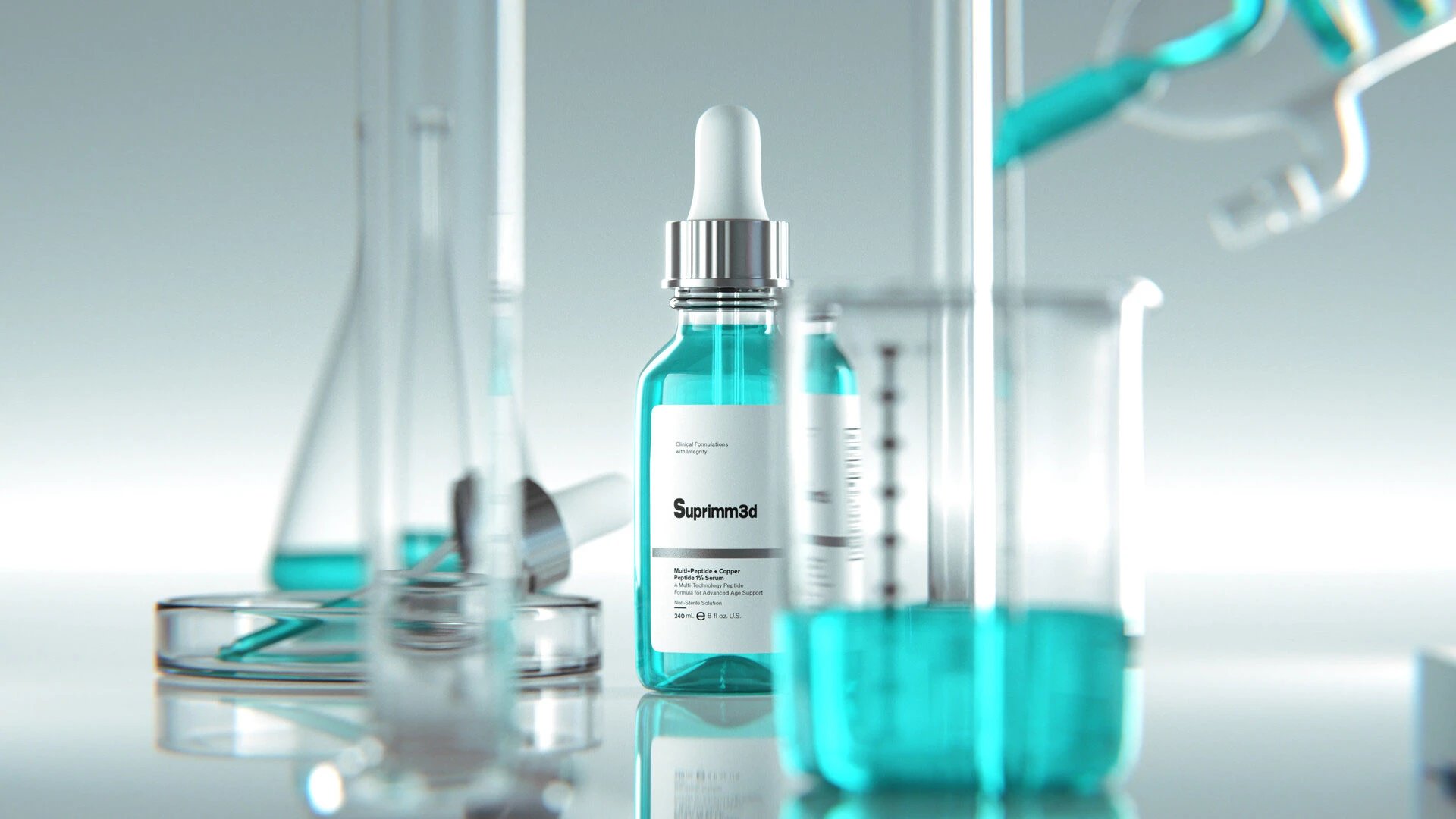
Design matters in professional markets. A practitioner-friendly wellness brand should not look like a recreational cannabis store. It should feel more like clinical skincare, premium wellness, or physician-dispensed care.
That means restrained colors, clean typography, strong whitespace, clear product photography, and no cannabis leaf or smoke imagery.
Practitioners need product information they can trust. Abissan’s strongest position is not loud CBD marketing. It is disciplined topical wellness: clean language, batch transparency, professional documentation, and careful education.
Disclaimer: This article is for educational purposes only and is not medical advice. Abissan products are intended for topical cosmetic/wellness use only and are not intended to diagnose, treat, cure, mitigate, or prevent any disease.