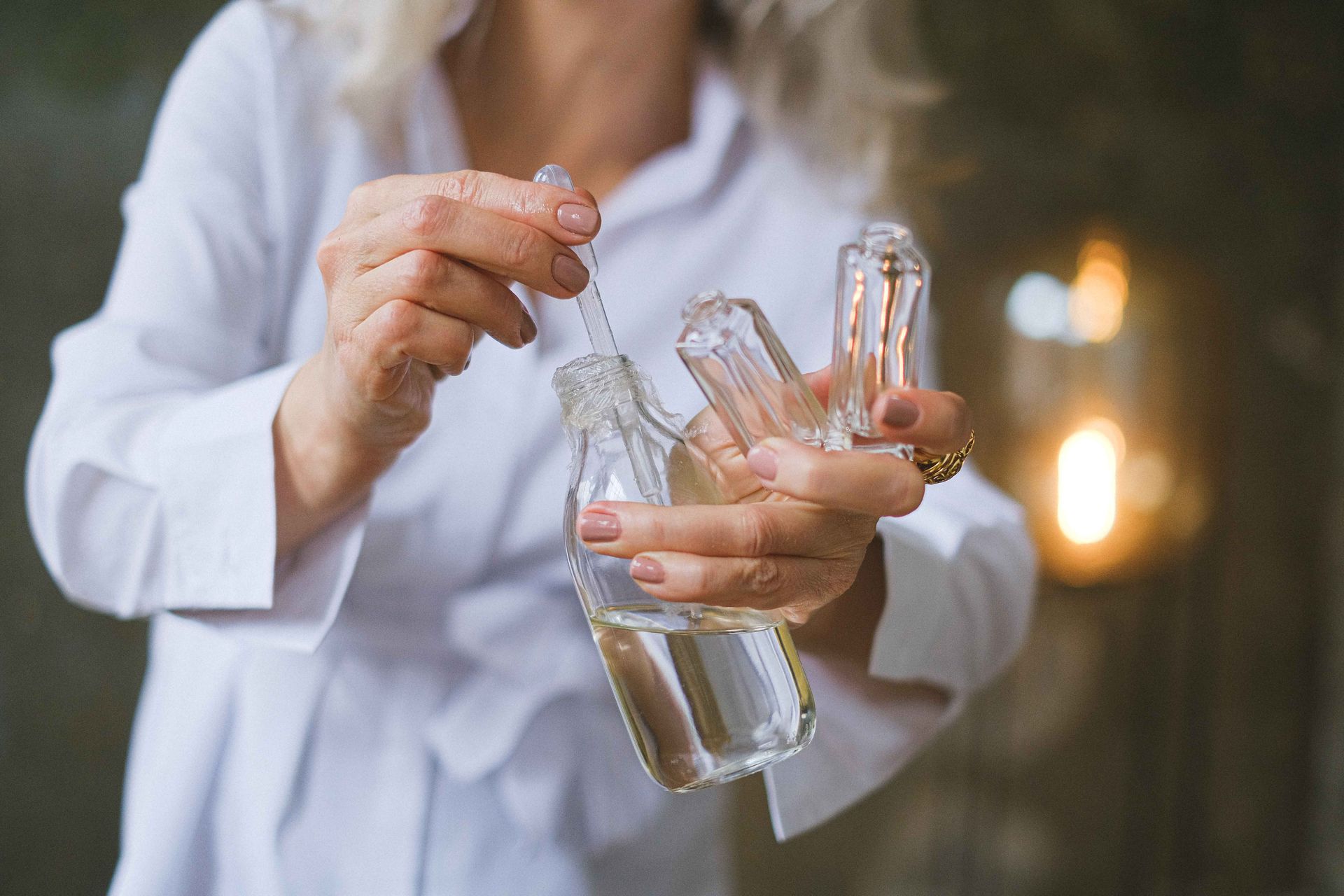


The skin is more than a surface. It is the body’s outer protective layer and plays an important role in everyday care routines. When people apply a topical oil, serum, lotion, or balm, they are interacting with the skin barrier.
For wellness brands, this is where formulation clarity matters. A premium topical product should explain what it is, how to use it, and what the customer should expect from the experience without exaggerating claims.
Topical application means a product is applied to the surface of the skin. Topical products can include oils, creams, lotions, balms, gels, and roll-ons.
A.C.H.E. Topical Comfort Oil is designed as an external-use topical oil. That positioning is important because it keeps the product experience focused on external care, not ingestion or medical use.
A topical oil is not only about one featured ingredient. The overall formulation matters. Carrier oils, botanical components, essential oil elements, texture, aroma, and packaging all influence the experience.
Carrier ingredients can affect how a product feels on the skin, how easily it spreads, and how pleasant the routine becomes. This is part of why Abissan’s brand direction focuses on careful formulation and plant-based topical care.
Many topical brands use phrases like penetrates deeply or targets discomfort at the source. These phrases can become risky when they imply drug-like effects or guaranteed outcomes.
A more responsible way to talk about topical wellness is to focus on:
This helps customers understand the product without turning the blog into a medical claim.
Topical care is often personal. Texture, glide, aroma, and the application method can all shape how a person experiences the product.
A roller bottle can make application feel clean, controlled, and easy to repeat. That makes it a strong format for a mindful daily wellness routine.
CBD is part of a broader cannabinoid conversation. Researchers continue to study cannabinoids and the endocannabinoid system, including CB1 and CB2 receptors.
For Abissan, CBD education should remain careful. The existence of cannabinoid science does not mean a topical CBD product should make treatment, recovery, pain, inflammation, or disease claims.
That is why Abissan’s safer language focuses on topical wellness, external use, and batch transparency.
A thoughtful topical wellness product should make the basics easy to find:
When this information is clear, the product feels more professional and more trustworthy.
Topical wellness starts with the skin, but the full experience includes formulation, packaging, education, transparency, and responsible language. Abissan’s opportunity is to make that experience feel premium, calm, and credible.
Disclaimer: This article is for educational purposes only and is not medical advice. Abissan products are intended for topical cosmetic/wellness use only and are not intended to diagnose, treat, cure, mitigate, or prevent any disease.